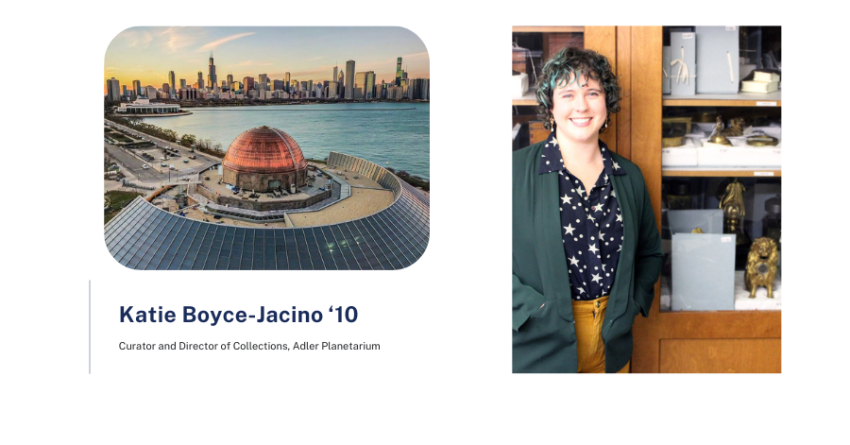
Dr. Boyce-Jacino explained that the history of astronomy has historically been focused mostly on European and Arabic astronomy, in a sort of great overarching narrative about the discovery of the stars. These narratives often focus on grand discoveries that are primarily driven by men and by the grand institutions that fund them. However, by escaping that narrative and thinking about astronomy not just as an institutional thing but as a science that everyone does, the story becomes a lot more diverse.
WesWAVES Expands On Inclusion in STEM
Summer 2025 is the fifth birthday of Wesleyan’s Inclusion in STEM initiative, now known as WesWAVES, or Wesleyan Advancing Visionary Exploration in STEAM. At five years old, WesWAVES is a multi-directional information bridge, connecting minds all over campus: channeling faculty expertise and life experience to the student body, enabling students to share advice across disciplines,…
Lighting the Way: Professor Michelle Chen on Renewable Energy and Representation in Science
“When one out of the ten things actually works, you’re like, oh, wow, this is so cool,” Professor Michelle Chen reflects on what drives her passion for research. “I get to study what I enjoy.” Now at Wesleyan as Assistant Professor of Chemistry, Chen channels this sense of discovery into both her pioneering research in…
Professor Oriana Fisher Finds Beauty in Discovery and Diversity
Fisher’s favorite thing about science and research is how international and diverse the scientific community is.
Sonia Roberts’ Interdisciplinary Take on the Future of Robotics
By welcoming students from diverse academic backgrounds and encouraging hands-on experimentation, Roberts’ lab embodies the spirit of interdisciplinary innovation, demonstrating that breakthroughs often happen at the seams between fields.


